Interiors
Majlis Interior Design Ideas for UAE Homes
18 May 2026 · 8 min read
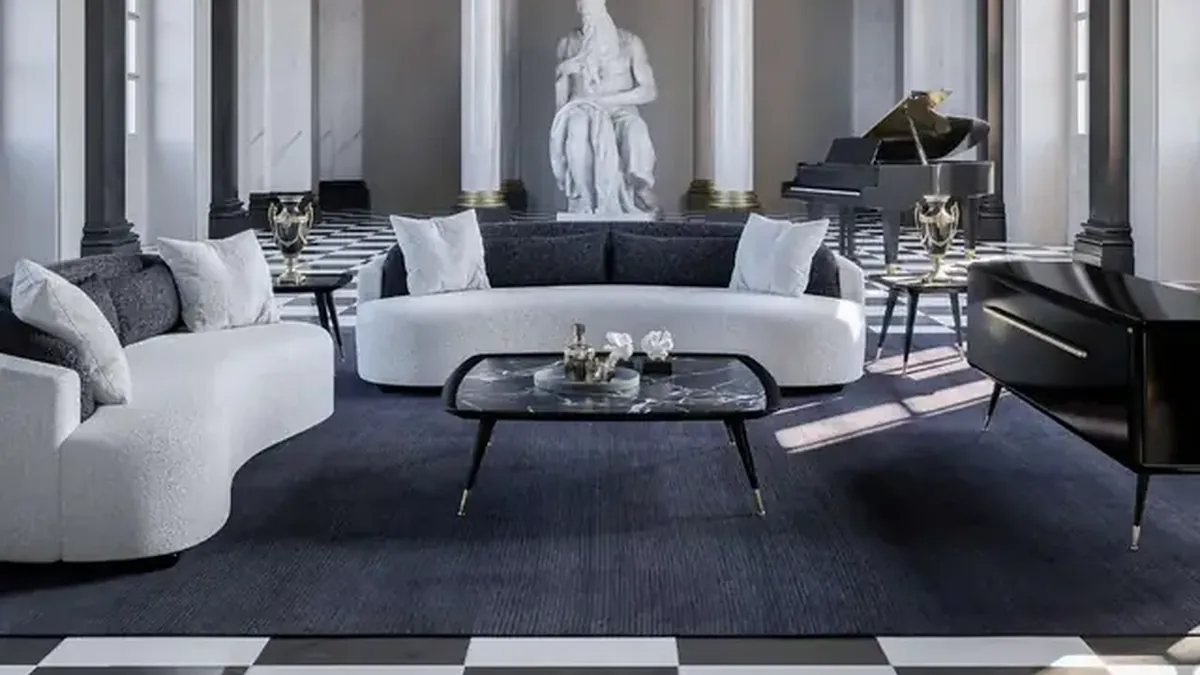
Few rooms carry as much meaning in an Emirati home as the majlis. It is where guests are received, where family gathers, and where the character of the household is first read. Thoughtful majlis interior design in Abu Dhabi and Dubai homes is about more than fine furniture; it is about honouring the social rituals of hospitality while giving the space the comfort and quiet luxury of a modern villa. This guide walks through the decisions that matter most, from how you separate the formal and family majlis to the materials, lighting and palettes that make a room feel both rooted and refined.
At LEGO, we design majlis and living room interiors across the UAE, and the same principle guides every project: the room should feel generous and calm, with tradition expressed through proportion and material rather than heavy ornament. A great majlis welcomes you the moment you step in.
Formal majlis versus family majlis
Most UAE villas benefit from two distinct gathering spaces, and understanding the difference is the foundation of good majlis interior design. The formal majlis is the public face of the home, reserved for guests, larger occasions and the rituals of welcome. The family majlis is the everyday room, softer and more relaxed, where the household actually lives.
These two rooms call for different treatments. The formal majlis tends toward symmetry, a more controlled palette and statement pieces that signal occasion. The family majlis can be looser, with deeper sofas, more texture and the practical durability that daily life demands.
- Formal majlis: perimeter or facing seating, refined upholstery, a considered entrance sequence, gender-appropriate privacy where required
- Family majlis: comfort-first seating, media integration, hard-wearing fabrics, easy flow to the kitchen and outdoor areas
In many homes the two are placed on opposite sides of the entrance hall so that guests never pass through private family space. Getting this zoning right early prevents awkward layouts later, which is one reason it pays to plan interiors alongside the wider home rather than in isolation.
Seating: the heart of majlis interior design
Traditionally a majlis is arranged around the perimeter of the room, with low seating facing inward so that everyone can see and address one another. That arrangement still works beautifully, and it is what gives the majlis its sense of equality and openness. The modern question is how to keep that inclusive geometry while delivering the comfort people now expect.
We often combine a continuous perimeter banquette with a few well-placed armchairs to break the line and add intimacy. Seat depth, cushion firmness and back support all deserve attention; a majlis is a room where people sit for hours, so comfort is not a luxury but a requirement. Where space allows, leaving a clear central area keeps the room feeling open and makes serving coffee and dates effortless.
The best majlis seating disappears into the occasion. Guests notice the welcome and the conversation, not the furniture, because the furniture simply does its job.
Materials that feel rooted and refined
Material choice is where a majlis earns its sense of quality. We lean on natural materials that age well and feel honest underfoot and underhand. Stone flooring, often in warm travertine or limestone tones, grounds the room and stays cool in our climate. Solid timber, brushed brass and woven textiles add warmth and tactile depth.
Upholstery is worth investing in. Performance velvets and tightly woven linens hold up to heavy use while still reading as luxurious. For the formal majlis, richer fabrics and subtle pattern signal occasion; for the family majlis, durable, cleanable textiles make daily life easier. If you are weighing up surfaces across the whole home, our overview of the current luxury interior design trends in Abu Dhabi is a useful companion read.
Balancing tradition and modern luxury
The most common mistake we see is treating tradition as decoration: applying heavy carved details, ornate gold and busy pattern in the hope of signalling heritage. The more confident approach is to express tradition through generosity of space, quality of material and the rituals the room supports. A simple, beautifully proportioned majlis in honest materials feels far more luxurious than a crowded one.
That does not mean stripping away identity. A single statement element, perhaps a hand-knotted rug, a carved screen reinterpreted in clean lines, or a striking pendant, can carry the cultural note while the rest of the room stays calm. Restraint is what lets that one element speak.
Lighting a majlis well
Lighting is the most underrated part of majlis interior design, and the difference between a flat room and a warm one. A single bright ceiling fixture flattens everything; layered light gives the room depth and lets it shift from daytime gathering to evening hospitality. We plan three layers in almost every majlis.
- Ambient: soft, dimmable general light, often concealed in coves or delivered through recessed fittings
- Feature: a chandelier or sculptural pendant that anchors the room and signals occasion
- Accent: wall washers, table lamps and uplights that add warmth and highlight materials
Warm colour temperature matters enormously; a majlis should glow, not glare. Dimming control across all three layers lets the same room feel bright and social during a daytime gathering, then intimate and golden for an evening with guests.
Palettes for UAE living rooms
Our climate and light reward warm, earthy palettes. Sand, stone, soft taupe and warm white form a calm base that flatters both daylight and lamplight, and they sit naturally alongside the desert and coastal landscapes outside. Against that base, a majlis can carry deeper accents: olive, terracotta, deep teal or muted burgundy in cushions, rugs and a feature wall.
Metals add the final note. Brushed brass and aged bronze feel warmer and more contemporary than bright gold, and they tie beautifully into timber and stone. The aim is a room that feels collected and intentional rather than matched from a single catalogue. For families who want their interiors to connect seamlessly with the garden and pool, coordinating these palettes inside and out is something we plan together, much as we describe in our look at turning a villa into a private resort.
Bringing it together with one team
A majlis rarely sits in isolation. It connects to the entrance, the dining room, often the garden, and it sets the tone for the whole home. That is why we prefer to design interiors as part of a coherent whole, considering circulation, sightlines and how each room hands off to the next. Working with one interior design team across the project keeps materials, lighting and detailing consistent from the front door inward.
Whether you are building new, renovating, or simply reimagining a tired living room, a well-designed majlis rewards you every single day and every time you welcome a guest. If you are planning a renovation, our villa renovation guide covers how interior work fits into a wider project, and our broader design-build services page shows how we handle interiors, landscape and pools together.
Ready to create a majlis that truly reflects your home and your hospitality? Talk to our design team and we will help you shape a space that balances tradition and modern luxury, here in Abu Dhabi, Dubai and across the UAE.