Interiors
Villa Renovation in Dubai: A Complete Planning Guide
16 May 2026 · 9 min read
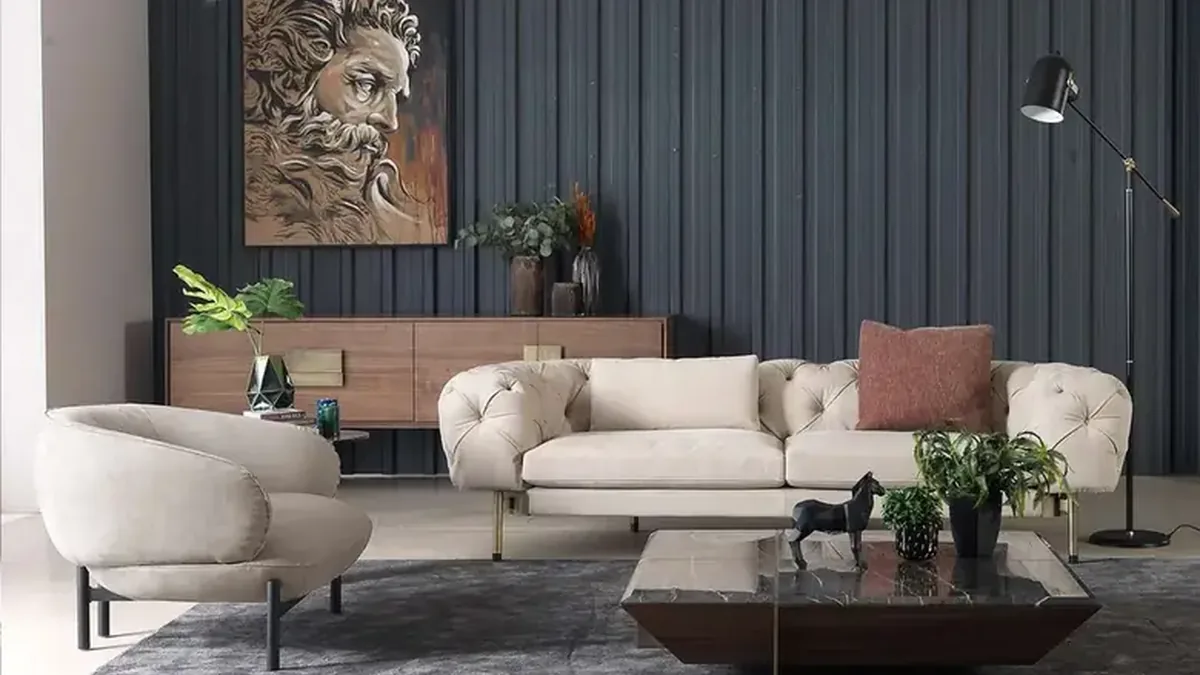
A villa renovation in Dubai is one of the most rewarding investments you can make in your home, but it is also one of the easiest to get wrong without a clear plan. Whether you have bought an older property in an established community or simply want to modernise a villa that no longer fits the way your family lives, the difference between a smooth project and a stressful one comes down to planning, sequencing and the team you choose. This guide sets out how a villa renovation Dubai project really works, with notes on Abu Dhabi where the process differs, so you can move forward with confidence.
At LEGO we handle renovations across the UAE as a design-build company, which means we design, gain approvals, and build under one roof. That structure removes most of the friction owners dread, and it is the backbone of everything that follows below.
Start with scope, not finishes
The temptation at the start of any villa renovation is to jump straight to tiles, taps and paint colours. Resist it. The first job is to define scope honestly: what are you actually trying to achieve, and how far does the work need to go? A cosmetic refresh, a full interior remodel, and a structural reconfiguration are three very different projects with very different budgets and timelines.
- Cosmetic refresh: repainting, new flooring, updated lighting, refreshed bathrooms and kitchen surfaces
- Full interior remodel: reconfigured layouts, new joinery, replaced services, complete kitchen and bathroom rebuilds
- Structural and extension work: moving or removing walls, adding rooms, reworking the building envelope
Being clear about which of these you are signing up for prevents the most common renovation problem: a project that quietly grows in scope until the budget and patience run out. A good design partner will help you pressure-test your wish list against your budget before any drawings are finalised.
Approvals and the regulatory layer
Any meaningful villa renovation Dubai project sits inside a regulatory framework, and understanding it early saves weeks later. Renovations in Dubai typically require approvals from Dubai Municipality and, crucially, from the developer or master community that governs your area, such as Emaar, Nakheel or Meraas communities. Each has its own rules on what you may change externally, acceptable working hours, and how modifications are reviewed.
In Abu Dhabi the equivalent approvals run through the Department of Municipalities and Transport and the relevant municipality, along with community developers such as Aldar. The principle is the same in both emirates: external changes, structural work and additions are scrutinised more closely than internal cosmetic work, and approvals take time you must build into the schedule. If your renovation touches a pool or outdoor build, those carry their own permits, which we cover in our guide to pool permits and approvals for UAE villas.
The owners who enjoy their renovations most are the ones who treat approvals as part of the design phase, not an afterthought. Designing within the rules from day one avoids costly redesigns.
Budgeting a villa renovation
Renovation budgets vary enormously with scope, villa size and the level of finish, so treat any figure as a rough starting point that varies by site, size and finish. A cosmetic refresh of a mid-size villa might begin in the region of AED 150,000 to AED 400,000, while a full interior remodel with new kitchens, bathrooms and joinery commonly runs from AED 600,000 well into the millions for larger homes and premium specifications. Structural work and extensions add further cost and complexity.
Two budgeting habits make the biggest difference. First, set a contingency of at least ten to fifteen percent, because older villas often hide surprises behind walls and under floors. Second, decide where you want to spend and where you are happy to save; concentrating budget on the rooms and materials you touch every day usually delivers more satisfaction than spreading it thinly everywhere. If your project includes interiors at the higher end, our overview of luxury villa interior design in Dubai is a helpful reference for where premium spend pays off.
Phasing: live through it or move out
A practical question every owner faces is whether to stay in the villa during the work. For cosmetic and single-zone projects, phasing the renovation so the family can remain in part of the home is often workable. For full remodels and structural work, moving out for the duration is usually cleaner, faster and less stressful, and it frequently saves money because trades can work without interruption.
Good phasing also sequences the trades correctly. Structure and services come first, then the messy wet trades, then finishes, then the delicate joinery and final fittings. When that order is respected, the project flows; when it is rushed or jumbled, finished work gets damaged and has to be redone. This sequencing discipline is one of the clearest advantages of working with a single accountable team.
Combining interior and outdoor upgrades
One of the smartest moves in a villa renovation is to treat the interior and the outdoor space as a single project rather than two separate ones. If you are already opening up walls, replacing flooring and reworking services, it is the ideal moment to upgrade the garden, add or rebuild a pool, and create proper outdoor living areas. Doing it together avoids paying twice for site setup, protects newly finished interiors, and lets the design flow seamlessly from inside to out.
- Coordinate interior and exterior palettes so the transition feels deliberate
- Run pool, landscape and interior approvals in parallel rather than in series
- Plan sightlines from key interior rooms out into the garden
This is exactly the thinking behind turning a home into a cohesive retreat, which we explore in our guide to creating a private resort villa combining pool, landscape and interiors.
Why one design-build team changes everything
The single biggest decision in any renovation is how you structure the team. The traditional route splits a designer, a separate contractor, and various specialist subcontractors across different contracts, leaving you to coordinate them and absorb the blame when they disagree. A design-build approach puts design, approvals and construction under one accountable partner, so there is one team, one timeline and one point of responsibility.
For a villa renovation, where interiors, structure, services and often outdoor work all interlock, that integration is invaluable. It keeps the design intent intact through construction, prevents the finger-pointing that derails split-contract jobs, and gives you a single number to call when you have a question. It is how we work at LEGO across both Dubai and Abu Dhabi, and it is why our design-build process is built around one continuous relationship from first sketch to handover. If your renovation involves a significant interior scope, our interiors team integrates directly with the build rather than handing drawings to a stranger.
Planning a villa renovation in Dubai or Abu Dhabi? Get in touch with our team for an honest conversation about scope, budget and timeline, and we will help you turn a tired villa into a home that fits the way you really live.